
Best Home Coffee Roaster in Canada: 2026 Guide

Our picks at a glance
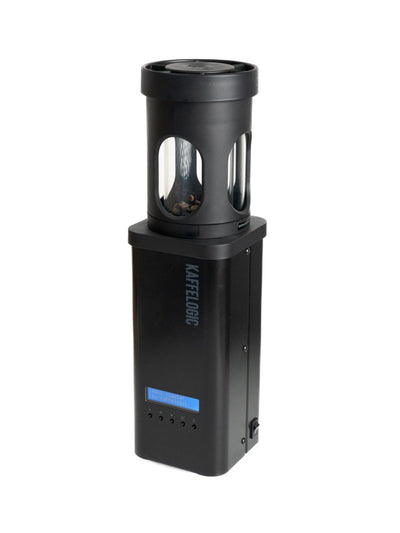
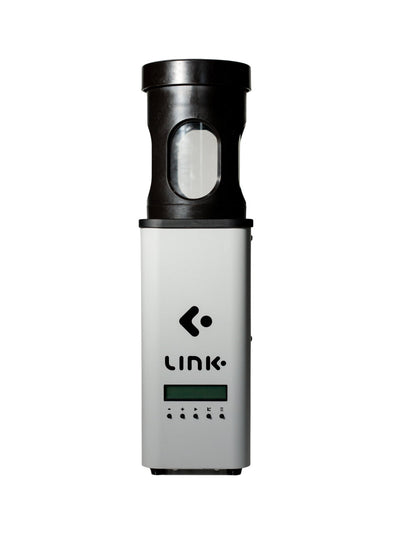
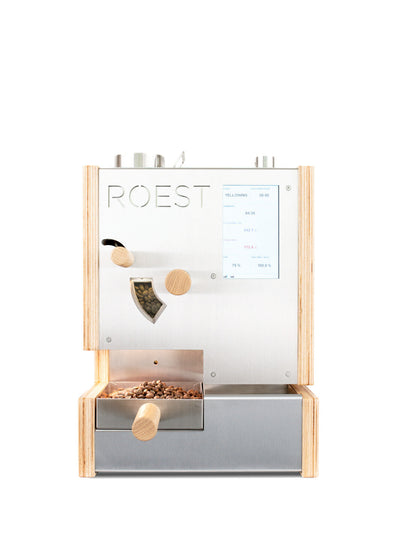
A home coffee roaster turns raw green coffee into something you can brew, usually about ten minutes a batch. The three machines here all read the temperature inside the roast and steer it along a curve you set, which is what separates them from a popcorn-style air roaster. They also sit a long way apart on price, from $1,799 to $10,699, so most of this guide is about what the extra money buys.
Quick picks:
- Best home coffee roaster for most people: Kaffelogic Nano 7 ($1,799). Roasts 120 g at a time, needs no extraction fan, two year warranty.
- Best for roasting away from home: Nucleus Link ($2,799). Same hardware in a 2.5 kg body with a hard travel case and 850 or more preloaded profiles.
- Best if you are roasting to sell: Roest S100 Plus ($10,699). A drum with four sensors that roasts and cools at the same time, ten to twelve batches an hour.
| Feature | Kaffelogic Nano 7 | Nucleus Link | Roest S100 Plus |
| Price (CAD) | $1,799 | $2,799 | $10,699 |
| How it heats | Hot air, beans float in the stream | Hot air, beans float in the stream | Turning drum with hot air blown through it |
| Batch size, green coffee | 120 g, or 50 to 200 g with the Boost kit | 50 to 100 g | 50 to 120 g as it ships, 200 g with the larger hopper |
| Roast and cool time | Under 10 min, then 2 to 3 min | About 10 min, then about 4 min | About 7 min, cools while the next batch roasts |
| Profile software | Kaffelogic Studio, 15 core profiles | LINK app and LINK Studio, 850+ profiles | On-board touchscreen, four sensors |
| Venting | Near a window or range hood | Near a window or range hood | Ducted outside, 1.5 m hose included |
| Size and weight | 125 x 125 mm footprint, 3.6 kg | 120 x 120 mm footprint, 2.4 to 2.6 kg | 410 x 266 x 375 mm, 14 kg |
| Warranty | 2 years, parts | 1 year, parts | 1 year |
Prices and specs current as of September 2026.
How much coffee a home roaster actually makes
Coffee loses about 15% of its weight in the roaster, because the water inside the bean boils off. So 120 g of green coffee comes out at roughly 100 g roasted, which is a third of a standard 300 g bag.
Two bags a month is around 600 g of roasted coffee, or six batches on the Kaffelogic. Each batch takes about ten minutes to roast and a few more to cool, so a month of coffee is an hour or so of roasting, split into sessions or done in one go. The Roest is the only machine here that can start the next batch while the last one cools.
Green coffee costs less than roasted coffee. Canadian suppliers such as United Beans list specialty single origin lots between $10.56 and $14.23 a pound, checked in September 2026, and a pound of green makes about 385 g roasted. The gap is real, but it takes a long time to cover $1,799 at that rate. Buy a roaster for the control and the freshness, and treat the cheaper coffee as a bonus rather than the reason.
1. Kaffelogic Nano 7
- Price: $1,799 CAD
- Batch size: 120 g of green coffee, or 50 to 200 g with the optional Boost kit
- Heating: 1400 W element, hot air with variable temperature and air speed
- Timing: under 10 minutes to roast, 2 to 3 minutes to cool
- Warranty: two years on parts, designed and built in New Zealand
Why it shines
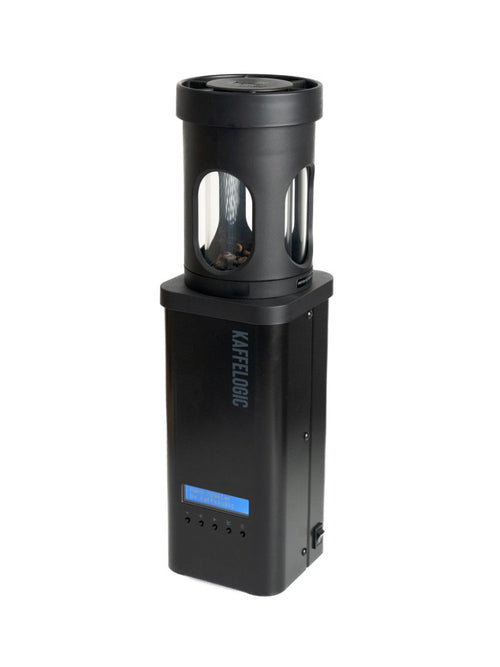
The Nano 7 floats the beans in a stream of hot air rather than tumbling them in a drum, so every bean gets the same heat and the roast comes out even. A temperature probe sits directly in the beans, and the controller adjusts heat and air speed several times a second to hold the curve you asked for. Once you have a profile that tastes right, the machine repeats it batch after batch.
It runs on a normal kitchen outlet and needs no extraction fan or ducting. A chaff collector catches the papery skin that comes off the beans, which is the part that would otherwise end up across the counter.
Who it's for
Anyone roasting for one household. 120 g green makes about 100 g roasted, so six batches covers a month of drinking two bags. The Boost kit is a pair of aluminium inserts that snap into the chamber and take a batch up to 200 g, which halves the number of sessions if you drink more than that.
What owners say
Owners consistently report clean, repeatable roasts within the first few dozen batches, and they rate the Studio software highly for how much control it gives over the curve. Two complaints come up repeatedly. The power cord is about 42 inches, short enough that some owners unplug the machine to empty it. The chaff collector needs emptying between batches, and owners who let chaff build up report smoke and scorching.
Worth noting
Dark roasts make real smoke. Lighter roasts are fine beside an open window, but if you like your coffee dark, put the Nano 7 under a range hood. The stock 120 g batch is also small enough that a household drinking three or four bags a month will want the Boost kit, which is a separate purchase.
2. Nucleus Link
- Price: $2,799 CAD
- Batch size: 50 to 100 g of green coffee, giving about 85 g roasted
- Heating: hot air, with the chamber starting at room temperature instead of preheated
- Profiles: over 850 preloaded, controlled by development time ratio rather than roast level
- Weight: 2.4 to 2.6 kg, or 8.4 to 8.8 kg packed in its hard travel case
Why it shines
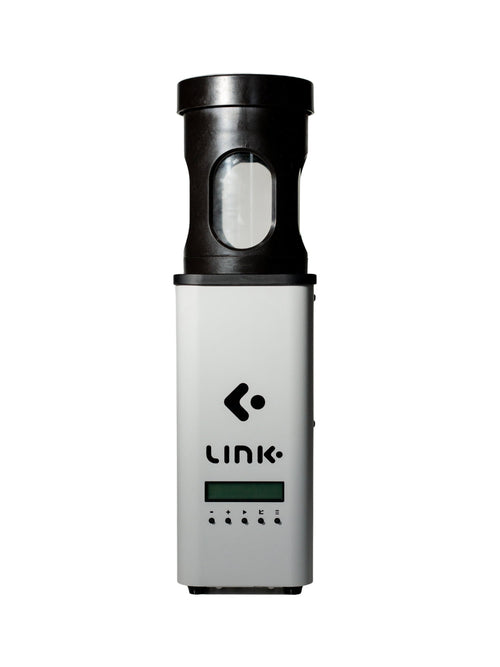
Nucleus built the Link on Kaffelogic's hardware, and Nucleus says so plainly: the two machines share the same chamber and the same bean probe. What Nucleus changed is the software and who it is aimed at. The Link ships with more than 850 profiles written by Sam Corra of ONA Coffee, and it is controlled in development time ratio, the share of the roast that happens after first crack. That is the number professional roasters already work in.
Two touches matter for the way it gets used. The roast starts with the chamber at room temperature and warms up with the beans inside, which Nucleus says reduces scorching on the outside of the bean. A barometric pressure sensor reads the altitude and adjusts the airflow, so a profile that tastes right in Toronto behaves the same way in Calgary. The Link is the official sample roaster of the World Coffee Roasting Championships.
Who it's for
People who roast somewhere other than one kitchen counter. The machine weighs 2.5 kg and packs into a shock-absorbing case, so buyers, exporters and roasters carry it to farms and to trade shows. It also suits a home roaster who wants the professional control scheme and is happy with smaller batches.
What owners say
Owners rate the support highly, and several report getting answers directly from Sam Corra, who designed the machine. They also like how quickly the coffee is drinkable, with many profiles tasting settled one or two days after roasting rather than the usual week. The recurring criticism is value: reviewers who have used both machines describe the Link as a Kaffelogic in a different chassis, at $1,000 more for a smaller batch.
Worth noting
100 g of green coffee is the ceiling, and there is no expansion kit. That is around 85 g roasted, so a month of two bags is seven batches rather than six, and there is no way to make the batches bigger later. The warranty is one year on parts against Kaffelogic's two.
3. Roest S100 Plus
- Price: $10,699 CAD
- Batch size: 50 to 120 g as it ships, up to 200 g with the larger hopper and cooling tray
- Heating: 1.65 kW, an open drum with hot air blown through it
- Sensors: air, bean and inlet temperature, plus automatic first crack detection
- Throughput: ten to twelve batches an hour, with a separate fan that cools one batch while the next roasts
Why it shines
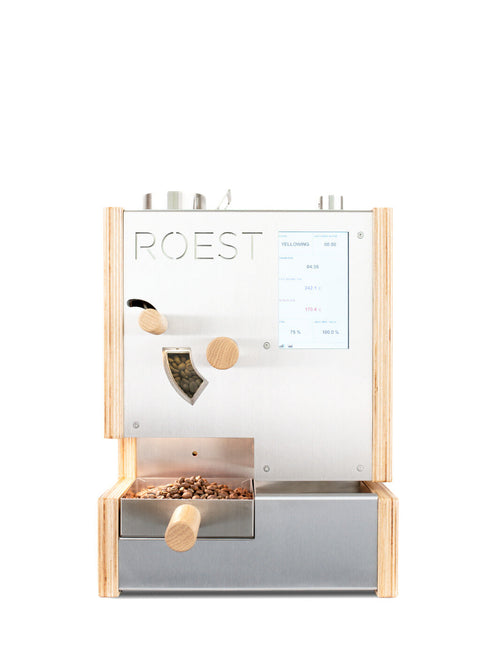
The Roest is a drum roaster with a fan forcing hot air through it, so it behaves like the machines a commercial roastery uses, scaled down to sample size. Four sensors read the roast, including one that listens for first crack, the audible pop that marks the point where a roast becomes drinkable. The machine logs that moment for you instead of asking you to catch it by ear.
Throughput is the real difference. A separate cooling fan means a finished batch cools in its own tray while the drum takes the next one, so the Roest runs ten to twelve batches an hour with no cooling-down break and no daily limit. The chaff separator holds over 2 kg before it needs emptying. This is a machine built to roast twenty samples in a morning.
Who it's for
People roasting as work rather than for their own cupboard. Green coffee buyers, cupping labs, and anyone selling small lots or testing samples before committing to a purchase. Roest has built roasters in Oslo since 2014 and sells mainly to that trade.
What owners say
Owners who roast in volume praise the workflow above everything else, and the ability to clear a backlog of samples in one session is the reason they keep it. The consistent warning is that it takes work to dial in. One professional roaster wrote that he went through kilos of green coffee before getting reliable results, and that profiles shared by other owners failed on his machine because air density and mains voltage differ by location. He solved his by dropping the inlet fan from 3,400 to 3,200 rpm.
Worth noting
The S100 Plus needs ducting. A 1.5 m hose is included, and it has to reach outside, which rules out a lot of kitchens. It weighs 14 kg and takes up a 410 by 266 mm patch of counter.
What roasting at home asks of you
You buy green coffee separately. Canadian suppliers including United Beans, Green Beanery and Green Coffee Co. sell specialty lots by the pound, and choosing between them is its own skill, closer to buying wine than buying groceries.
You wait before drinking it. Coffee releases carbon dioxide for days after roasting, and the gas gets in the way of brewing evenly. Most single origin coffee tastes best three to seven days after the roast, though several owners of the fluid bed machines here report good results after one or two days.
You accept some smoke. All three machines produce it, and the darker the roast the more there is. Two of them handle that with a window or a range hood. The Roest needs a duct.
Related reading
- Freshly roasted coffee: a guide to peak flavour, on why the date on the bag matters and how long to rest coffee
- How to store coffee beans, which matters more once you are making the coffee yourself
- Best coffee grinder in Canada, because the grinder changes the cup more than the roaster does
- How to grind coffee beans, for matching the grind to how you brew
- 7 best coffee roasters in Toronto, if you would rather let someone else do the roasting
Frequently asked questions
What is the best home coffee roaster?
For most people roasting for one household, the Kaffelogic Nano 7 at $1,799. It roasts 120 g of green coffee at a time, needs no ducting, and carries a two year parts warranty. Step up to the Nucleus Link at $2,799 if you need to carry the roaster around, or the Roest S100 Plus at $10,699 if you are roasting samples all day.
Is roasting your own coffee at home worth it?
It is worth it for control and freshness rather than for savings. You choose the coffee and the roast level, and you brew it days rather than weeks after roasting. Green coffee does cost less, at roughly $10.56 to $14.23 a pound from Canadian suppliers in September 2026, but a pound only makes about 385 g roasted, so covering the price of the machine takes years.
How much coffee does a home roaster make in one batch?
Roughly 100 g of roasted coffee from a 120 g batch of green, because about 15% of the weight boils off. That is a third of a standard 300 g bag. The Kaffelogic Nano 7 does 120 g as standard and 200 g with the Boost kit, the Nucleus Link tops out at 100 g, and the Roest S100 Plus takes 120 g as it ships.
Do home coffee roasters make a lot of smoke?
Enough that you need to think about where the machine sits. The Kaffelogic Nano 7 and the Nucleus Link both catch chaff internally and are fine beside an open window for light and medium roasts, though dark roasts want a range hood. The Roest S100 Plus ships with a 1.5 m hose and has to be ducted outside.
How long should you wait before drinking coffee you roasted yourself?
Three to seven days for most single origin coffee. Coffee gives off carbon dioxide after roasting, and the gas interferes with brewing evenly until it settles. Owners of the Kaffelogic and the Link report some profiles tasting good after one or two days, which is faster than a drum roast usually settles.
Is the Nucleus Link just a rebranded Kaffelogic Nano 7?
They share hardware, and Nucleus says so: the same roast chamber and the same bean temperature probe. The software is where they differ. The Nano 7 uses Kaffelogic Studio and 15 core profiles set by roast level, while the Link uses its own app with more than 850 profiles and is controlled by development time ratio, the professional measure. The Link also adds a barometric sensor for altitude and a hard travel case, takes 100 g rather than 120 g, and costs $1,000 more.
Good coffee while you learn to roast
Roasting well takes a machine, a green coffee supplier and a few months of practice. Stillwater Coffee Club ships freshly roasted whole bean coffee from Canada's best independent roasters every month, matched to the flavours you tell us you like.
Try the best coffee subscription in Canada.
Stillwater Coffee Club ships freshly-roasted whole bean coffee from Canada's best independent roasters every month. Plans start at $45.60/month, ships free, cancel any time. Learn more about our coffee subscription →
Compare every pick
| Model | Price | How it heats | Batch size | Warranty |
|---|---|---|---|---|
| Kaffelogic Nano 7 | $1,799.00 — | Fluidised hot air, variable temperature and air speed | 120 g green, 50 to 200 g with Boost kit | 2 years, parts |
| Nucleus Link | $2,799.00 — | Fluid bed hot air, chamber starts at room temperature | 50 to 100 g green, about 85 g roasted | 1 year, parts |
| Roest S100 Plus | $10,699.00 — | Open drum with hot air blown through it | 50 to 120 g green as it ships, 200 g with the larger hopper | 1 year |
The picks in full
Best home coffee roaster for most people
Kaffelogic Nano 7
What's good
- 120 g green per batch, up to 200 g with the Boost kit
- Runs on a normal outlet with no ducting, just a window or range hood
- Two year parts warranty, designed and built in New Zealand
- Kaffelogic Studio software lets you write and share full roast curves
What to know
- Dark roasts make enough smoke to want a range hood
- The 42 inch power cord is short enough that owners unplug it to empty it
- The chaff collector has to be emptied between batches or it smokes
Best for roasting away from home
Nucleus Link
What's good
- Over 850 preloaded profiles, written by Sam Corra of ONA Coffee
- 2.4 to 2.6 kg with a shock absorbing travel case, so it moves between sites
- A barometric sensor adjusts airflow so a profile holds at a different altitude
- Official sample roaster of the World Coffee Roasting Championships
What to know
- 100 g of green coffee is the ceiling and there is no expansion kit
- One year parts warranty
- Costs about $1,000 more than the Kaffelogic it shares hardware with
Best if you are roasting to sell
Roest S100 Plus
What's good
- Roasts and cools at the same time, ten to twelve batches an hour with no daily limit
- Automatic first crack detection alongside air, bean and inlet temperature probes
- Chaff separator holds over 2 kg before it needs emptying
- Designed and built in-house by Roest in Oslo
What to know
- Has to be ducted outside, which rules out many kitchens
- 14 kg and a 410 by 266 mm footprint
- Owners report it takes kilos of green coffee to dial in, and shared profiles often fail because air density and mains voltage differ by location