

How to Make Better Coffee at Home: What to Upgrade First (2026)

These are the upgrades that make better coffee at home, ranked by what will have the most impact on the taste of your coffee. To get your coffee tasting more like it was made at a cafe, there are two things you can copy in your own kitchen: beans roasted within the last few weeks, and a grinder that grinds them evenly just before you brew. Everything else is secondary.
Mentioned in this article


What to upgrade, in order
- Fresh whole beans, brewed within a month of the roast date
- A burr grinder, or an espresso grinder for espresso
- A scale, to weigh coffee and water
- Filtered water, if your tap water tastes of chlorine or leaves scale
- A gooseneck kettle, if you make pour-over
- A new coffee maker, last
Fresh whole-bean coffee changes the taste more than any equipment
Every flavour in the cup comes from the beans, and the equipment decides how much of it reaches your mug. Roasting creates the aromas behind notes like chocolate, berry and caramel, and those aromas start to escape as soon as the beans cool. Whole beans keep them for weeks. Ground coffee loses them within days, because grinding exposes far more of the coffee to air.
Buy whole beans with a roast date on the bag, and brew them between about one week and one month after that date. For espresso, wait at least a week, because younger beans release enough carbon dioxide to push the water through the coffee unevenly. A best-before date tells you little, since it is usually set a year after roasting. Buy what you will finish in two or three weeks: at two mugs a day, a 300 g bag lasts about 10 days.
Keep the beans in an airtight, opaque container at room temperature. The fridge adds moisture and the smells of other food. Our guide to storing coffee beans covers freezing. Fresh coffee also shows itself when you brew: the grounds rise and bubble as hot water releases their carbon dioxide, which pour-over brewers call the bloom. More on this in our guide to freshly roasted coffee and why whole bean coffee brews better.
A burr grinder comes second, because evenly sized grounds brew evenly
A blade grinder chops beans into a mix of powder and chunks. In the brewer, the powder gives up its flavour too fast and turns bitter, while the chunks give up too little and taste sour, so one cup can taste bitter and sour at once. A burr grinder crushes the beans between two toothed rings set a fixed distance apart, so the grounds come out close to one size and brew at the same rate.
A burr grinder also gives you the most useful control you have over taste. If your coffee tastes sour or thin, grind finer. If it tastes bitter or leaves your mouth dry, grind coarser. Move a few clicks at a time and change only the grind between pots, so you know what made the difference.
A hand grinder grinds as evenly as an electric grinder that costs more, and takes 30 seconds to a minute per cup, so it suits one or two cups a day. For a full pot every morning, buy an electric one, such as the Baratza Encore. Buy a grinder made for the way you brew, because espresso needs a much finer setting than most filter grinders reach.
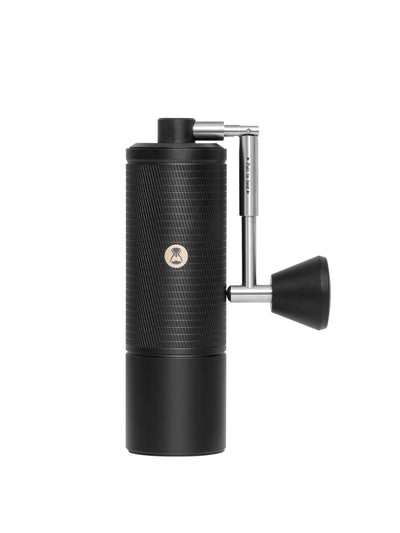
Start with our guide to the best coffee grinders. For a hand grinder for filter coffee, see the Timemore Chestnut C5 PRO. For drip coffee, compare the Technivorm Moccamaster KM5, Fellow Ode Gen 2 and Baratza Encore. Our guide to grinding coffee beans gives the setting for each brewer.
Stillwater Coffee Club sends whole-bean coffee from a different Canadian roaster each month. Answer a few questions about how you brew and what you like to drink, and we match each month's coffees to your answers. TAKE THE QUIZ
For espresso, buy the grinder before the machine
An espresso machine forces water through tightly packed, very finely ground coffee in about 25 to 30 seconds, so the grind controls the shot more than the machine does. One step on an espresso grinder can change a shot by several seconds. With a grinder built for filter coffee, the water rushes through in about 10 seconds and the shot tastes sour. If your budget covers either a good espresso grinder or a more expensive machine, buy the grinder: an entry-level machine with a good grinder pulls better shots than an expensive machine with a filter grinder.
Compare espresso grinders in our Turin DF54, Fellow Opus 2 and Baratza Encore ESP comparison, then choose a machine with our guide to the best home espresso machines. Our guide to making espresso at home walks through a first shot.
A scale lets you repeat a good cup
A scoop of dark roast weighs less than a scoop of light roast, because dark-roasted beans are less dense. Measuring by the scoop therefore changes the strength each time you change coffee. Weighing fixes that. Start filter coffee at 1 g of coffee for every 16 g of water, which is 20 g of coffee for a 320 ml mug. Water weighs 1 g per ml, so the same scale measures both. Go to 1:15 for stronger coffee or 1:17 for lighter. Espresso starts at about twice the coffee's weight in liquid: 18 g of ground coffee makes about 36 g of espresso.
A kitchen scale that reads in 1 g steps is accurate enough for filter coffee. For espresso, buy one that reads in 0.1 g steps and has a timer, because half a gram changes the shot. Our guide to how much coffee to use per cup gives amounts for each brewer.
Filter your water if it tastes of chlorine or leaves scale in the kettle
A cup of coffee is more than 98% water, so you taste whatever is in your tap. Two problems are common: chlorine and hard water.
Cities add chlorine to keep tap water safe, and it can make coffee taste like a swimming pool. A carbon filter pitcher removes most of it. Some cities use chloramine instead, which is chlorine bonded to ammonia so it lasts longer in the pipes. A carbon pitcher removes less chloramine. Your city's water quality report tells you which one your water has.
Hard water carries a lot of calcium and magnesium, which is what leaves white scale in kettles and machines. It usually carries a lot of bicarbonate too, which cancels out the acids behind coffee's bright, fruity flavours, so the cup tastes flatter. For hard water, use a pitcher cartridge sold for limescale or hardness. Those cartridges hold an ion-exchange resin that removes part of the calcium, magnesium and bicarbonate, so you get less scale and brighter coffee. In a hard-water area, this also protects an espresso machine, since scale is a common reason those machines need repair.
To check your own water, the Specialty Coffee Association, the trade body that sets brewing standards, recommends about 150 mg/L of total dissolved solids (the minerals dissolved in the water) and calcium hardness between 17 and 85 mg/L. Most cities post their water quality report online. The report usually lists total hardness, which counts magnesium as well as calcium, so expect that number to be higher than the calcium figure.
Distilled and reverse-osmosis water go too far the other way. Coffee brewed with either tastes flat, because the minerals in tap water help pull flavour out of the grounds.
A gooseneck kettle makes the difference in pour-over
Brew with water between 90°C and 96°C. With an ordinary kettle, let the water sit for about 30 seconds after it boils. That is all a French press or an AeroPress (a plastic tube you press coffee through by hand) needs, and a drip machine heats its own water.
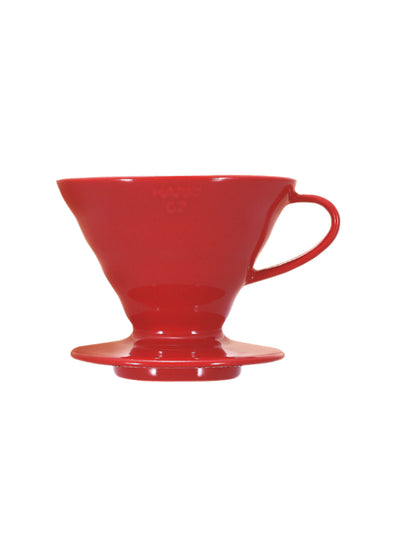
Pour-over, with a cone such as the Hario V60, is different, because your pour does the work. A gooseneck kettle has a long, thin spout, so you can pour slowly and in circles and keep all the grounds wet, which makes them brew at the same rate. A kettle with temperature control, such as the Fellow Stagg EKG Pro, is a smaller step up: light roasts often taste sweeter near 96°C, and dark roasts less bitter near 90°C. Compare kettles in our Fellow Stagg EKG Pro, Brewista Artisan and Bonavita Classic comparison, and see our pour-over starter guide for a first recipe.
Replace the coffee maker last, and clean the one you have first
A coffee maker has two jobs: heat the water to between 90°C and 96°C, and wet the grounds evenly. Many drip machines do both well, which is why a new one usually changes the cup less than fresh beans or a burr grinder. Clean yours before you replace it. Coffee oil builds up in the carafe, the basket and the spray head (the part that showers water onto the grounds) and turns rancid, which makes every pot taste bitter. Wash the carafe and basket after each use, and descale as often as the manual says.
A new brewer is worth buying when:
- Your drip machine brews too cool. Coffee that tastes thin and sour at every grind setting is the sign. Brewers certified by the Specialty Coffee Association are tested for water temperature and brew time, and carry the mark on the box. See our guide to the best drip coffee makers.
- You want a different cup. A French press makes a fuller, heavier coffee, a pour-over cone a lighter and clearer one, and an AeroPress a short, strong cup in about two minutes. Our AeroPress, Hario V60 and Chemex comparison sets out the differences.
- You want espresso, lattes or cappuccinos. That takes an espresso machine and an espresso grinder, and the grinder comes first.
Frequently asked questions
What should I upgrade first, the grinder or the coffee maker?
The grinder. After fresh beans, a burr grinder changes the cup more than a new coffee maker brewing the same coffee.
Is a coffee grinder worth it?
Yes. Ground coffee loses its aroma within days, so grinding just before you brew keeps more flavour in the cup. A burr grinder also lets you fix coffee that tastes sour or bitter by changing the grind.
Is a burr grinder worth it over a blade grinder?
Yes. A burr grinder makes grounds of about one size, which brew evenly. A blade grinder makes a mix of powder and chunks that can taste bitter and sour in the same cup.
Is a manual coffee grinder worth it?
Yes, if you brew one or two cups at a time. A hand grinder grinds as evenly as an electric grinder that costs more, and one cup takes 30 seconds to a minute.
Should I buy an espresso grinder or an espresso machine first?
The grinder. An entry-level machine with a good espresso grinder pulls better shots than an expensive machine with a grinder built for filter coffee.
Do I need a coffee scale?
A scale makes a good cup repeatable, because a scoop of coffee weighs differently from one coffee to the next. A kitchen scale with 1 g steps works for filter coffee, and espresso needs 0.1 g steps.
What is the best ratio of coffee to water?
Start at 1:16 for filter coffee, which is 20 g of coffee to 320 ml of water, and adjust between 1:15 and 1:17 to taste. Espresso starts at about 1:2, such as 18 g of coffee for 36 g of espresso.
What temperature should water be for coffee?
Between 90°C and 96°C. With an ordinary kettle, let the water sit for about 30 seconds after it boils.
What is the best water for coffee?
Filtered tap water. A carbon filter removes chlorine, a limescale cartridge softens hard water, and distilled water brews flat-tasting coffee because it lacks the minerals that pull out flavour.
How long do coffee beans stay fresh?
Whole beans taste their best from about one week to one month after the roast date. Once the bag is open, finish it within two or three weeks.
Should I keep coffee beans in the fridge or freezer?
Keep beans you will use within a few weeks in an airtight container at room temperature. For longer storage, freeze them sealed in portions and thaw each portion once, unopened.
How do I make good coffee at home without a coffee machine?
Use a French press, a pour-over cone or an AeroPress, with fresh beans, a burr grinder and water just off the boil. A French press or a pour-over cone brews a full mug in about four minutes.
How do I make coffee at home taste like a cafe?
Use beans within a month of their roast date, grind them just before brewing, weigh the coffee and water, and filter your water if it tastes of chlorine.
Get coffee from a different Canadian roaster every month
Stillwater Coffee Club sends whole-bean coffee from independent Canadian roasters. Answer a few questions about how you brew and what you like to drink, and we match each month's coffees to your answers. Rate each coffee, and we use your ratings to choose the next ones. Pause or cancel at any time. TAKE THE QUIZ